Transform Your Vehicle With Premium Auto Tint and Wraps Services
Transforming a vehicle with premium auto tint and wraps can considerably enhance its appearance and performance. These services offer a combination of design and protection, meeting individual preferences and needs. From protecting against UV rays to improving temperature regulation, the benefits are clear. However, choosing the right choices and installation methods can be intimidating. Understanding the various aspects of auto tint and wraps is essential for making an informed decision. What should one think about next?
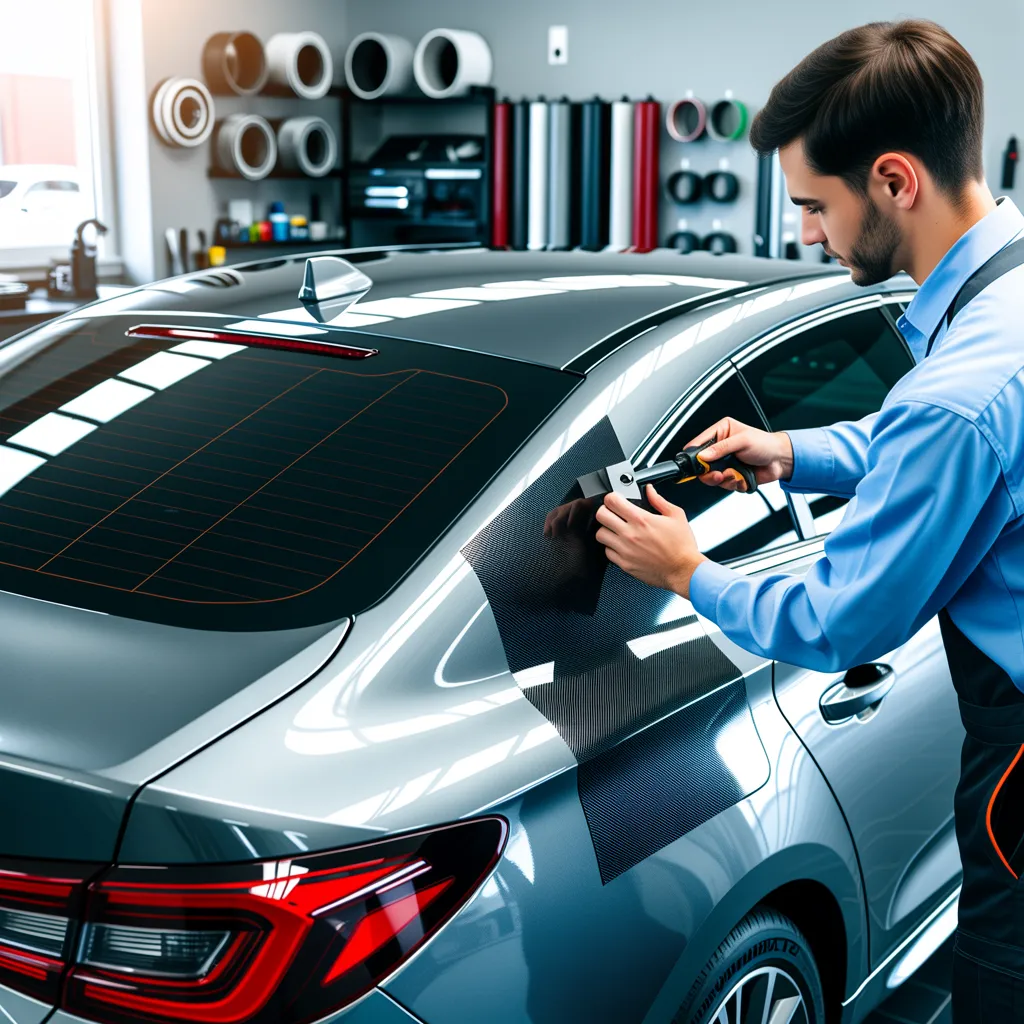
The Rewards of Premium Auto Tint and Wraps
Superior auto tint and wraps improve both the stylistic and practical aspects of vehicles. These applications deliver a elegant appearance, helping vehicle owners to showcase their individuality while maintaining a immaculate look. Additionally, premium auto tint works as a protective barrier against injurious UV rays, minimizing interior fading and protecting passengers from sun exposure. It can also help regulate vehicle temperature, promoting overall comfort.
Additionally, high-quality wraps offer a layer of protection against scratches and minor abrasions, preserving the vehicle's original paint. This can be especially beneficial for those seeking to preserve resale value. Furthermore, wraps can be readily removed or altered, offering versatility for those who desire to update their car's look without a permanent commitment. Overall, premium auto tint and wraps combine style with practical advantages, making them a worthwhile investment for any vehicle owner.
Types of Auto Wraps to Think About for Your Vehicle
When assessing vehicle enhancements, auto wraps come in various types, each providing unique benefits and aesthetic options. One common choice is the full wrap, which envelops the entire vehicle, allowing for a complete transformation in color and design. This option can significantly change the vehicle's discussion appearance while also delivering protection against scratches and UV damage.
Partial wraps represent another alternative, focusing on specific areas such as the hood, roof, or doors. This alternative is suitable for those looking to make a bold move without covering the original paint job.
For organizations, custom graphics wraps displaying logos and branding can boost visibility and promote services efficiently. Additionally, specialty wraps, containing matte, gloss, and metallic finishes, provide unique textures and visual appeal. Each type of auto wrap serves separate roles, making it crucial to evaluate personal preferences and car specifications when selecting the best option.
Tips for Choosing the Best Auto Tint for Your Vehicle
Understanding the right window tint involves recognizing the different options available and ensuring adherence with legal regulations. Different tint materials and colors can affect aesthetics, cooling efficiency, and privacy. Knowledge of local laws is vital to avoid possible penalties and confirm the chosen shade aligns with vehicle requirements.
An Introduction of Types of Tint
Opting for the ideal auto tint can greatly enhance both the aesthetics and functionality of a car. Various tint types are obtainable, each presenting unique benefits. Dyed window film is cost-effective and provides privacy while reducing UV rays. Metalized tints turn back heat and strengthen durability, making them suitable for climates with intense sunlight. Ceramic window films, though pricier, present superior heat rejection and clarity without interfering with electronic devices. Moreover, hybrid tints incorporate elements from both dyed and metalized films for a compromise option. When choosing a tint, one should consider factors such as heat rejection, visibility, and personal style preferences. In conclusion, the right tint type can transform a vehicle's appearance while providing essential protection.
Legal Tint Requirements
Grasping auto tint requirements is important for anyone contemplating auto tint installation. Each state maintains specific regulations dictating the allowable amount of tint darkness, typically determined by Visible Light Transmission (VLT) percentages. For illustration, certain states authorize more opaque tints on rear windows while limiting front-side and windshield tints to lighter hues. Furthermore, rules may differ depending on vehicle classification, featuring exemptions for select commercial vehicles. It is essential for vehicle owners to examine their state's rules to avoid fines and guarantee adherence. Working with a professional tint application company can deliver clarity and support in picking the appropriate tint that fulfills both aesthetic preferences and legal conditions. Adhering to these regulations will enhance both the vehicle's appearance and safety.
Do You Want Professional Installation or Pick the DIY Route?
When deliberating whether to pick professional application or a DIY option for auto tint and wraps, the decision centers on several key factors. Professional installation consistently ensures a pristine finish, deploying veteran professionals cognizant of the complexities of various materials. This expertise limits concerns connected to damage, misalignment, and bubbles to the vehicle. Additionally, numerous professionals deliver warranties, supplying peace of mind against likely imperfections.
Conversely, DIY enthusiasts may opt for financial benefits and the satisfaction of completing a project independently. However, this approach demands a substantial commitment of time and effort, alongside a learning curve for correct procedures. Errors can lead to costly reapplication or even damage, potentially negating initial cost reductions.
In the end, people should determine their skill level, budget, and target goal, balancing the benefits of expert confidence versus the attraction of a personal project. Each decision presents unique advantages tailored to varied needs and circumstances.
How to Care for Your Auto Tint and Wraps
Maintaining auto tint and wraps is essential to sustain their appearance and longevity, as inattention can result in early color loss and lifting. Regular upkeep demands careful cleaning with a pH-balanced soap and a soft microfiber cloth to protect against scratches. It is critical to steer clear of abrasive cleaners and tools that might damage the surface.
Furthermore, owners should permit the tint or wrap to cure completely, usually for about a week, before exposing it to extreme weather conditions. Parking in shaded areas or using a car cover can protect the finish from UV rays and environmental contaminants.
Additionally, it's smart to maintain the areas without waxes or sealants, as these can reduce the tint's stickiness. Finally, routine assessments for any marks of peeling or harm will help catch issues early, ensuring the vehicle remains in prime condition.
Locating Trusted Tint and Wrap Solutions Near You
How can one find trustworthy tint and wrap services close by? Individuals seeking reputable services should start by conducting online research. Search engines can offer a list of local businesses with customer reviews, ratings, and service details. Social media platforms and community forums also act as useful references, where users post personal experiences and recommendations.
Furthermore, requesting loved ones and associates for referrals can lead to trustworthy professionals. Checking out local automotive shops can provide details about professional window tinting and vehicle wrapping, as numerous shops partner with such professionals.
Once potential candidates are identified, it is wise to check their certifications and portfolio, ensuring quality and expertise. Comparing quotes and warranties can also help in making an informed decision. Ultimately, thorough research and individual referrals are key to finding reputable tint and wrap services that will enhance a vehicle's appearance and functionality.
Commonly Posed Questions
How long Does the Installation Process Typically Take?
Installing your window film or vehicle wrap normally lasts approximately two to five hours, contingent on your vehicle's size and how complex the film application is. Considerations like initial preparation and drying time may also determine how long the entire process requires.
Can Auto Tint Impact My Vehicle's Warranty?
Vehicle tinting seldom cancels a car's protection, as long as it is professionally done and complies with manufacturer guidelines. However, it's essential to assess particular warranty language to make sure coverage stays intact.
Will Wraps Be Removable Without Affecting the Surface?
Wraps are typically able to be taken off without damaging the paint if appropriately installed. However, aspects like the age of the wrap and paint condition may determine the outcome, so it is prudent to be cautious during removal.
Can I Legally Use Dark Tint in My Region, or Are There Restrictions?
Tint intensity restrictions differ depending on the region. Individuals ought to examine local laws or requirements to verify compliance. Disregarding these guidelines could result in fines or the need for removal.
How can I determine if my tint offers UV defense?
To evaluate if tint provides UV protection, one can look at product specifications for UV ratings, reach out to the professional, or find indicators marking UV-blocking properties. Measurement with a UV meter can also furnish confirmation.